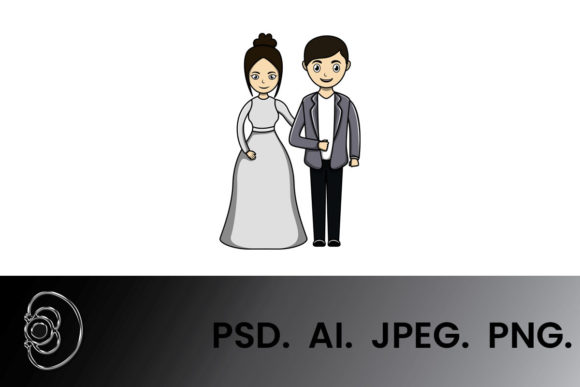
Wedding Couple Vector Cartoon: Versatile Assets for Creative Projects
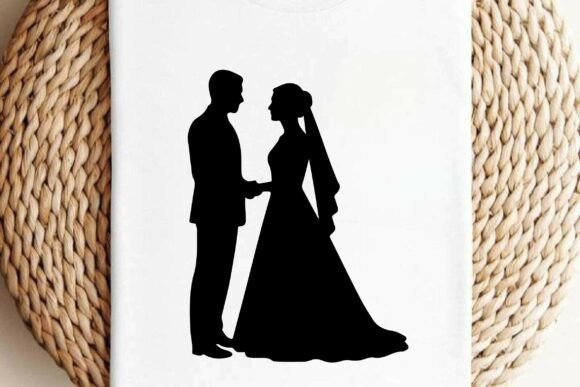
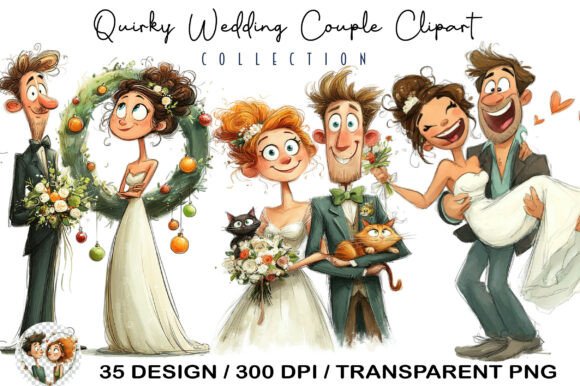
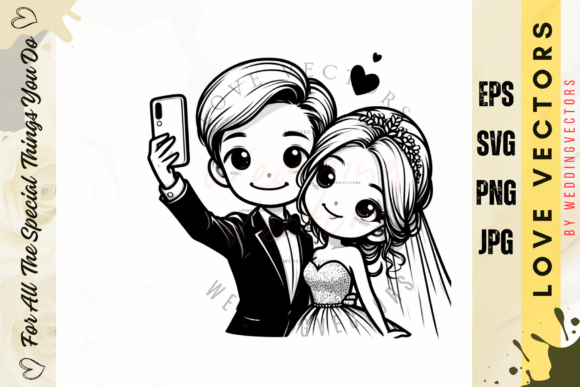
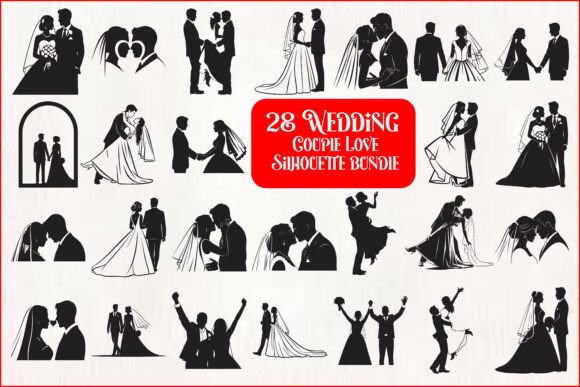
You know that feeling when you’re working on a wedding invitation suite or a festive blog header, and you just need that perfect, joyful illustration to tie everything together? Something that captures the romance and excitement of the day without feeling overly stiff or traditional? That’s exactly where a well-crafted Wedding Couple Vector Cartoon shines. It’s not just a simple drawing; it’s a versatile design asset that can bring personality, warmth, and a modern touch to a surprisingly wide range of projects. Think of it as a visual shortcut to conveying happiness and celebration, ready to be customized to fit your unique vision.
What makes this particular type of asset so appealing is its blend of charm and practicality. The cartoon style instantly makes a design feel more approachable and friendly, which is fantastic for brands and creators who want to connect on a human level. Unlike a photograph, a vector illustration offers a clean, consistent aesthetic that can be easily adapted. You’re not limited by specific lighting, backgrounds, or models. The style itself becomes a reliable part of your visual language, whether you’re designing a whimsical logo for a wedding planner or creating a series of social media posts for a bridal boutique.
Bringing Stories to Life Across Media
Let’s talk about where you can actually use these graphics. The applications go far beyond just the wedding industry. Imagine you’re launching a new dating app. A friendly, cartoon couple could be the cornerstone of your entire brand identity, used on your app icon, within the interface, and across all your marketing materials. It immediately communicates the app’s purpose in a positive, non-intimidating way. For content creators, this asset is gold. A blogger writing about relationships, family, or even gift guides can use it to create eye-catching featured images, Pinterest pins, or Instagram carousels that stop the scroll. The consistent use of the same character style across your content helps build a recognizable brand aesthetic that your audience will come to associate with your voice.
The real power, however, lies in the file formats you receive. Getting a package that includes EPS, JPEG, PNG, and PSD files is like having a master key. The vector EPS file is the hero here—it’s infinitely scalable. You can blow it up to the size of a trade show banner or shrink it down for a favicon, and the lines will remain perfectly crisp. This is non-negotiable for professional logo design and print materials where quality cannot be compromised. The JPEG is great for quick use online, the PNG with its transparent background is essential for layering the graphic over other images or colors in your web design or social media graphics, and the PSD file offers a layer of customization in Photoshop for those who want to tweak colors or details directly. This combination ensures the asset works for you, not the other way around.
Making Smart Design Choices with Character
Of course, finding the right illustration is only part of the process. How you integrate it matters just as much. A key piece of advice is to consider the personality of your project. Is it playful and modern? Or is it more elegant and refined? The style of the cartoon should match that tone. A highly stylized, geometric couple might work for a contemporary design studio, while a softer, more illustrative style could be perfect for a romantic stationery brand.
Pairing this graphic with the right typography is another critical step. If your vector cartoon is the main visual hook, your font choice should complement it, not compete with it. For a cohesive look, you might choose a clean sans-serif font for body text that won’t distract from the illustration, and perhaps a slightly more decorative script or handwritten font for headlines that echoes the playful feel of the cartoon. Always test your font pairings. How do they look together at different sizes? Is the body text still highly readable when placed next to the graphic? This kind of practical testing is what separates amateur designs from professional ones.
Finally, remember that these assets are for commercial use, which opens up a world of opportunity. You can incorporate them into client work, sell them as part of a finished product on merchandise like mugs or t-shirts, or use them in digital products like printable wedding planners or greeting card templates. The key is to use them as a building block within your own creative work, adding your unique perspective and design skills to create something new and valuable. It’s not about the asset alone; it’s about how you, the designer or entrepreneur, make it part of a larger, cohesive story that resonates with your audience.